Effective software development begins with a clear understanding of the organisation, its objectives and the way in which work is actually carried out. Technology should support the business, rather than force the business to adapt to an unsuitable system.
Our approach therefore starts with the business requirement. We examine the processes involved, the information being used, the people affected and the outcomes that need to be achieved. Only then do we determine the most appropriate use of software, automation, data integration and artificial intelligence.
This business-led approach helps to ensure that the final solution is practical, proportionate and capable of delivering measurable improvements.
BEST Software is led by Martin Berman, a director of Go Earth Ltd, who brings extensive experience of business analysis, system design, software selection, implementation, data management and the practical use of technology within organisations.
That experience is important because successful software projects require more than technical development. They also require sound commercial judgement, careful requirements analysis, an understanding of operational processes and the ability to identify where technology will produce genuine benefit.
Martin’s role is to ensure that each project remains focused on the client’s business objectives. Technical decisions are considered in the context of cost, risk, ease of use, future development and the value that the proposed system will provide.
Artificial intelligence has changed the way in which software projects can be planned, designed, developed, tested and implemented.
We use AI throughout our own working processes. It assists with research, requirements analysis, process modelling, documentation, software development, testing, data review and the identification of possible improvements. It can also help us compare different technical approaches more quickly and identify issues at an earlier stage.
AI does not replace experience, judgement or proper project management. It provides experienced professionals with more powerful tools. Used correctly, it allows work to be completed more thoroughly, more consistently and in significantly less time.
This means that our clients benefit from both improved quality and lower development costs.
Traditionally, bespoke software development has often been associated with large budgets, long timescales and substantial project teams. This has placed many potentially valuable systems beyond the reach of small and medium-sized organisations.
That position has changed. Drastically.
Modern development methods, cloud-based services, reusable software components and AI-assisted working now allow many systems to be created faster and at a much lower cost than would previously have been possible.
A project that might once have required a large team and a very substantial budget may now be achievable through a smaller, carefully managed project. This makes tailored software, automation and system integration realistic options for SMEs, not just for large corporations.
We aim to provide solutions that are proportionate to the size of the organisation and the value of the problem being solved. We do not believe in adding unnecessary complexity, features or cost.
The purpose of a software project should not simply be to introduce new technology. It should make the organisation more effective, more efficient or both.
A well-designed system may reduce repetitive administration, eliminate duplicate data entry, improve access to information, reduce errors, speed up customer response times and provide management with clearer information for decision-making.
In some cases, the greatest benefit comes from automating a process. In others, it comes from bringing together information that is currently held in separate systems, spreadsheets or databases. It may also involve replacing unsuitable software, improving an existing system or creating a new application for a specific business need.
We consider both the immediate requirement and the wider effect on the organisation. The objective is to produce a solution that works in practice and creates lasting operational value.
Software projects carry risks when requirements are unclear, assumptions are not tested or development begins before the business need has been properly understood.
Our approach is structured and transparent. Depending on the project, it may include:
clarification of the business objectives;
analysis and documentation of requirements;
review of current systems and working practices;
identification of alternative solutions;
system and data design;
development of prototypes or early versions;
staged testing and review;
controlled implementation; and
ongoing improvement after launch.
Where appropriate, work can be divided into smaller stages. This allows the client to review progress, confirm priorities and control expenditure before moving to the next phase.
We do not assume that every client requires a completely new bespoke system. Sometimes the right answer is to improve an existing process, integrate systems that are already in use or select and configure suitable commercial software.
Our role is to identify the approach that best meets the organisation’s requirements. This may involve bespoke development, artificial intelligence, automation, data integration, software selection or a combination of these.
The recommendation should be based on business value, not on a preference for a particular technology.
Our overall objective is straightforward: to help clients use software and artificial intelligence to improve the way their organisations operate.
By combining business experience, structured analysis, modern development methods and responsible use of AI, we can deliver work more quickly and economically than was previously possible.
This gives small and medium-sized organisations access to capabilities that were once available mainly to much larger businesses, while retaining the close involvement, flexibility and cost control that SMEs require.
These are summarised below. In many case the place to start is with an initial, one hour, free, no obligation consultancy.
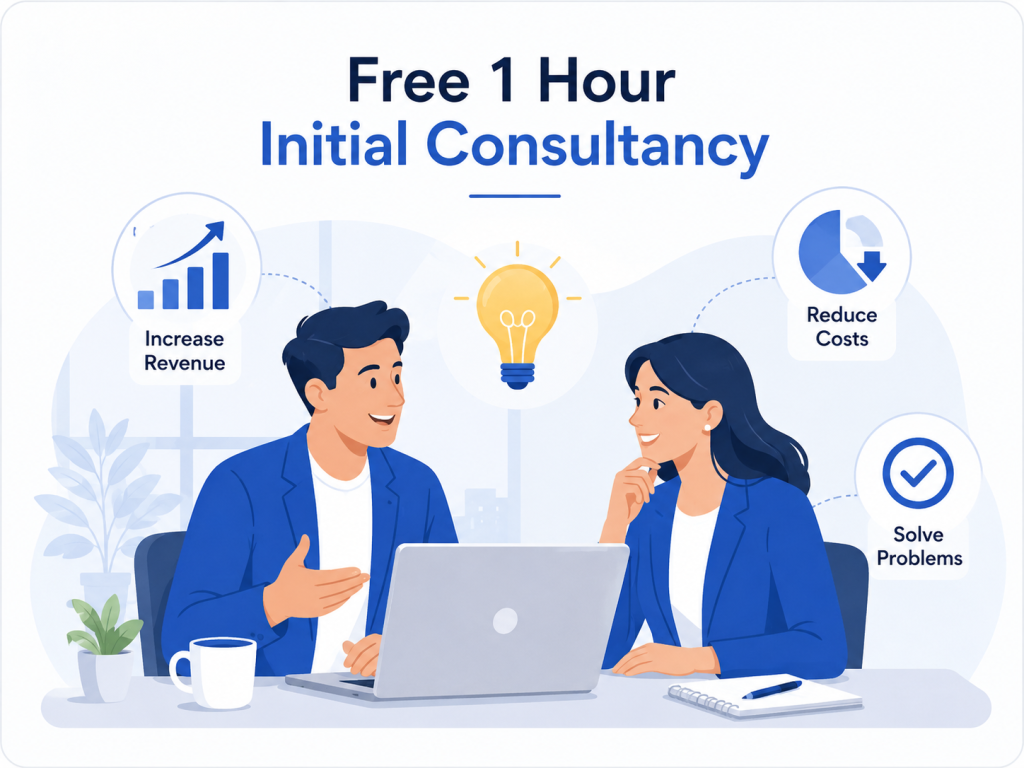
Understand where there are opportunities to lower costs, increase revenue, resolve business issues
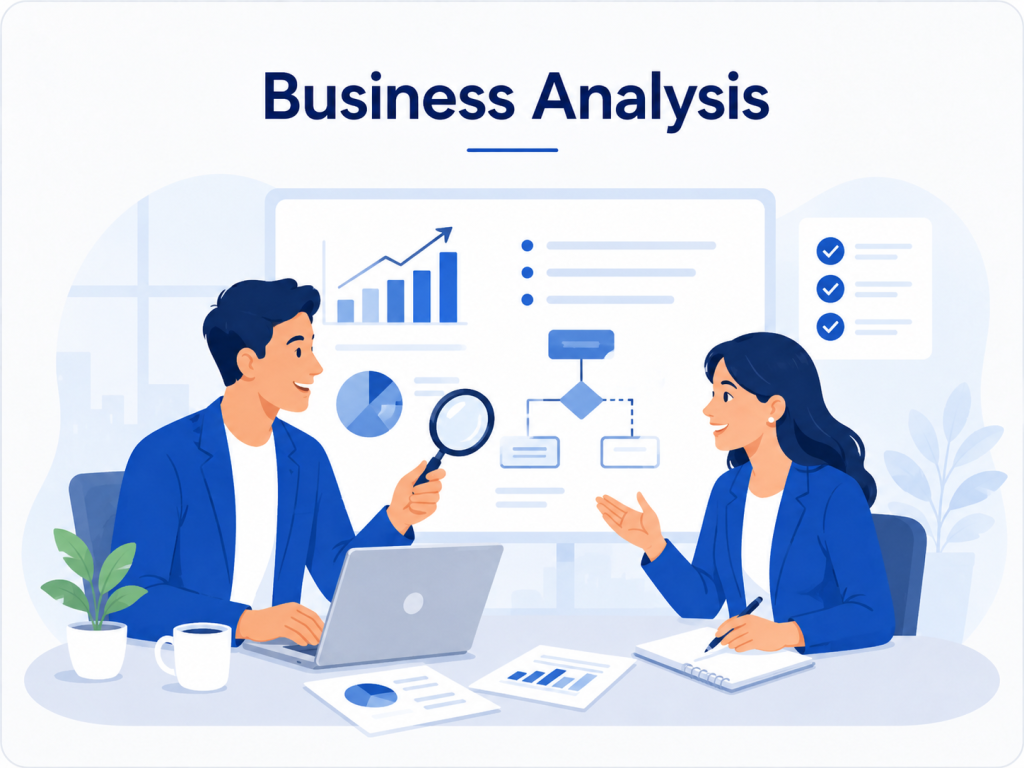
A full analysis of an individual challenge to resolve, and how technology, especially software, can resolve this
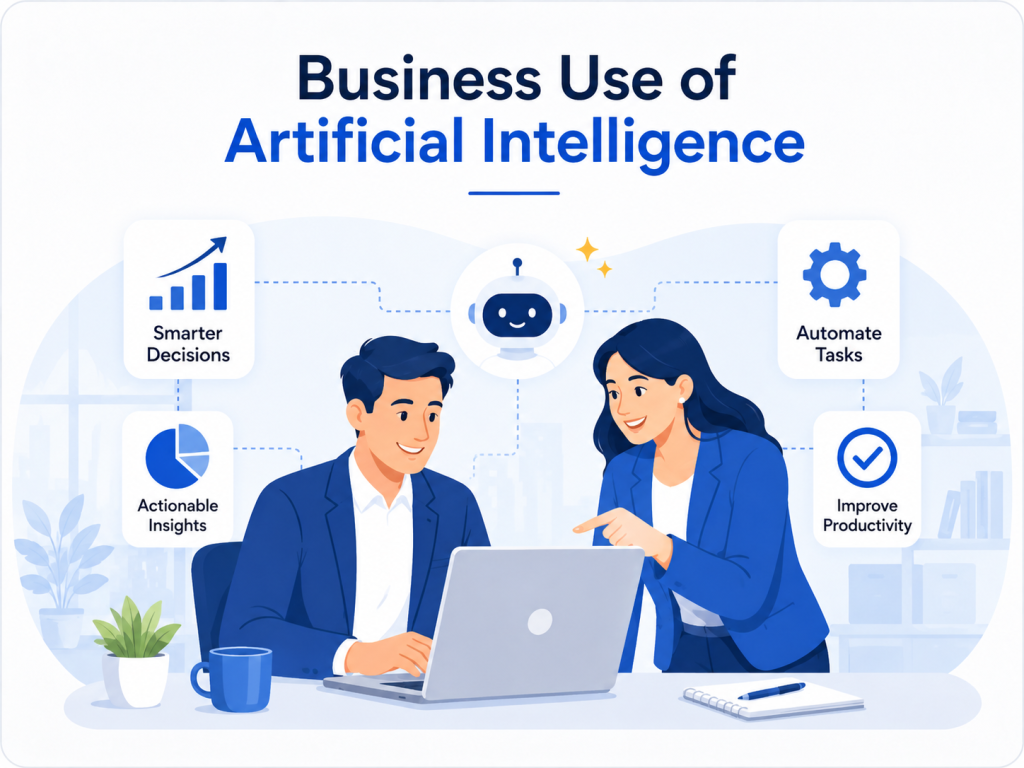
Most business can benefit very substantially from AI. Most businesses are not yet using AI effectively
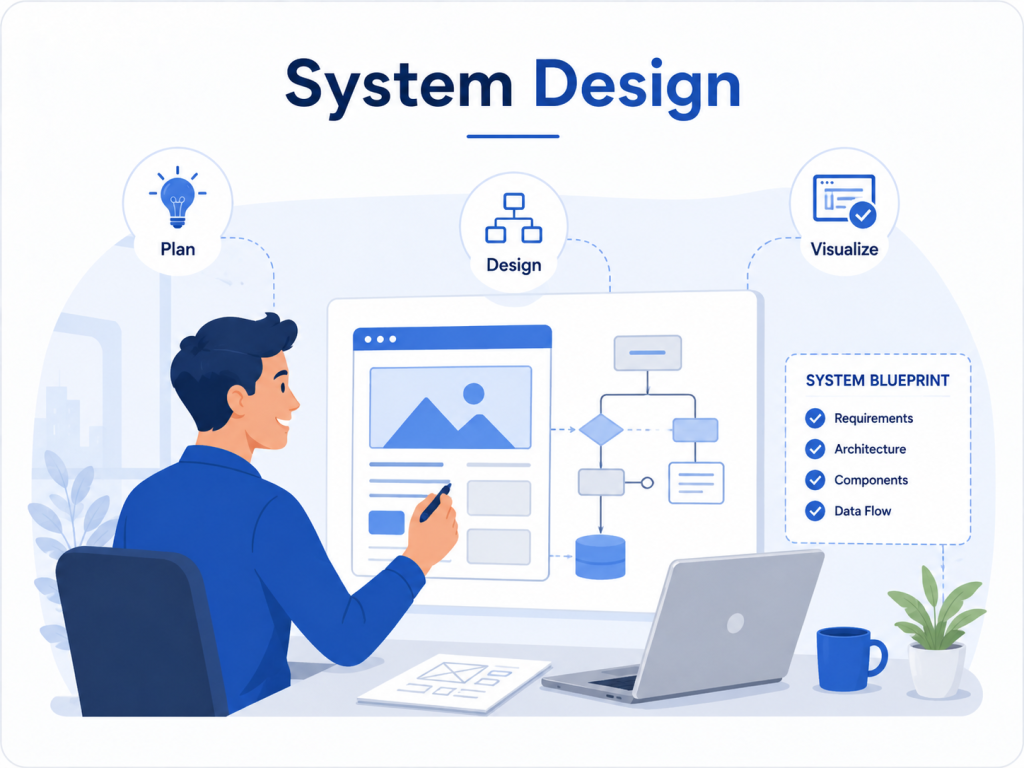
This is the stage at which a detailed design of software is carried out. This enables you to see what the final software will do and look like.
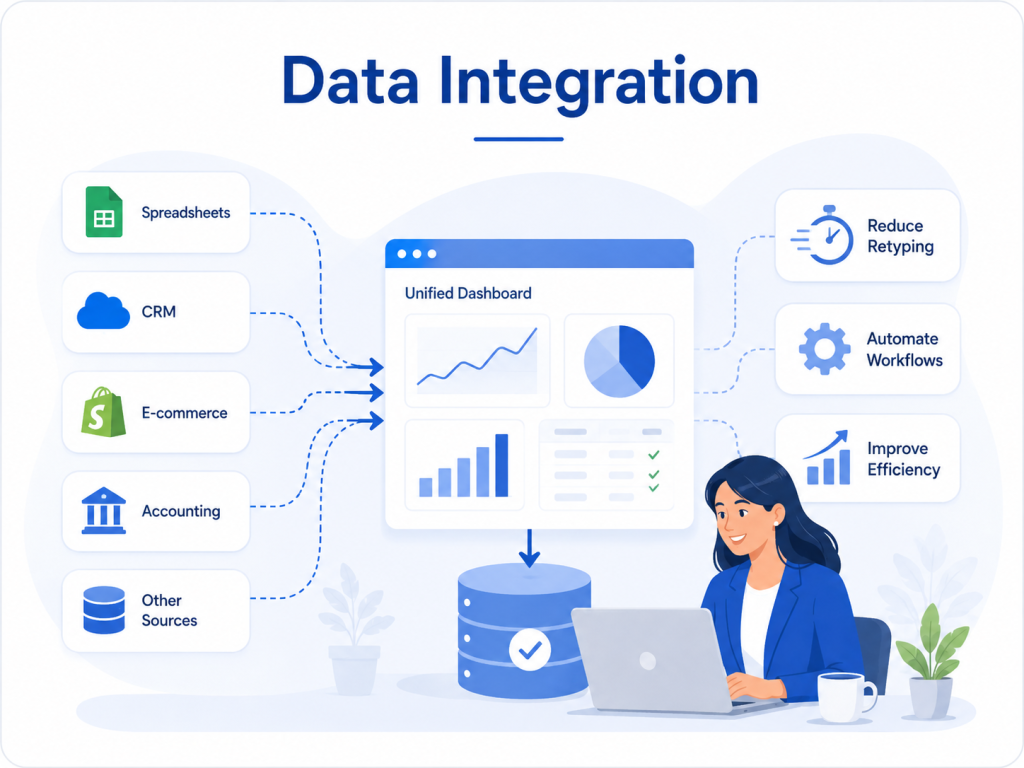
Most business have too much data that is floating around, being re-typed, not being effectively used. We analyse your data and can automate many tasks, reducing costs, increasing speed and efficiency
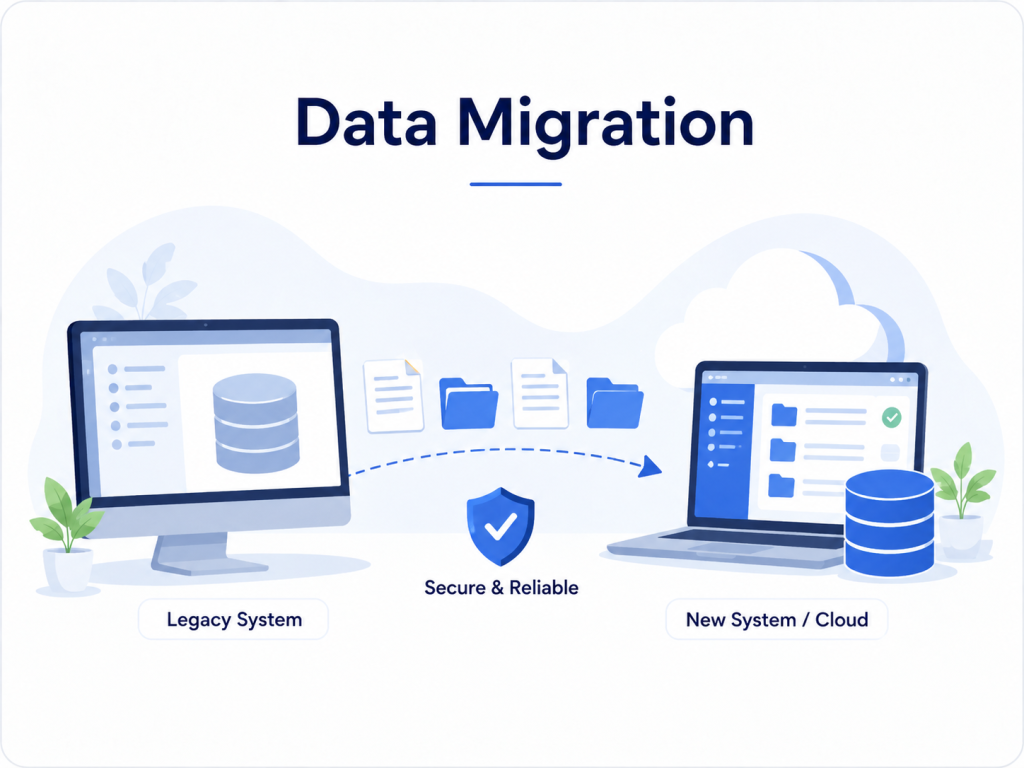
If you are moving from one software to another, the effort required for effective data migration can be under-estimated.
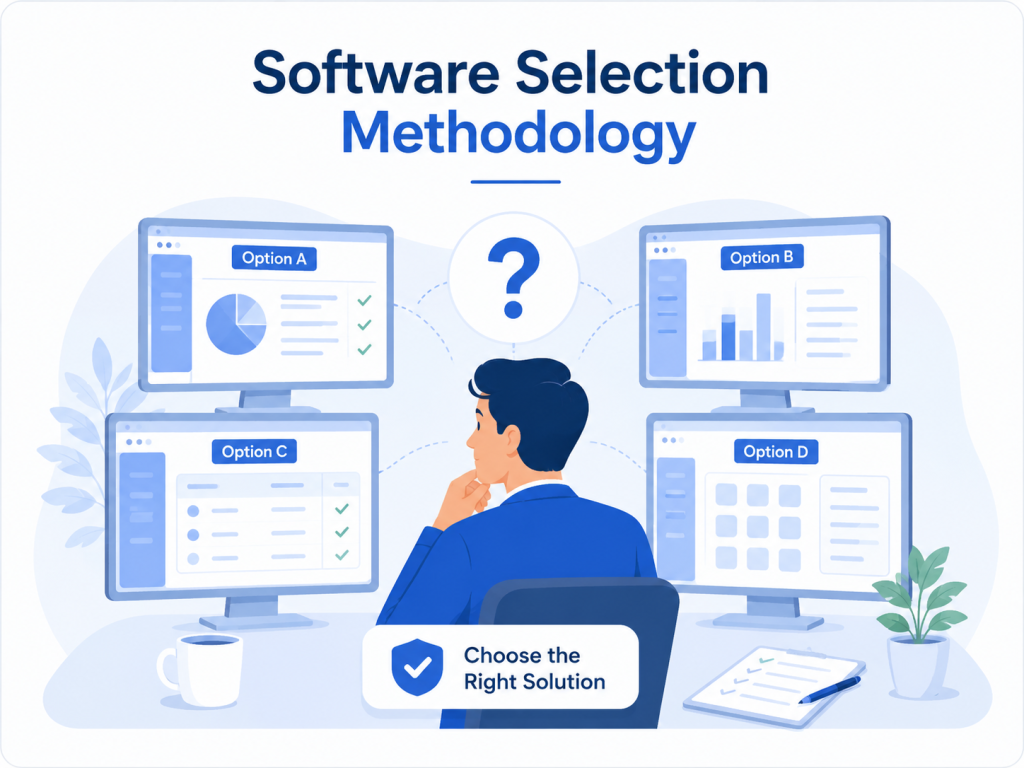
Often there is software already produced that will do what you want. However, finding the options can be challenging; and choosing the right option more so. Our approach will help you make the right decisions.
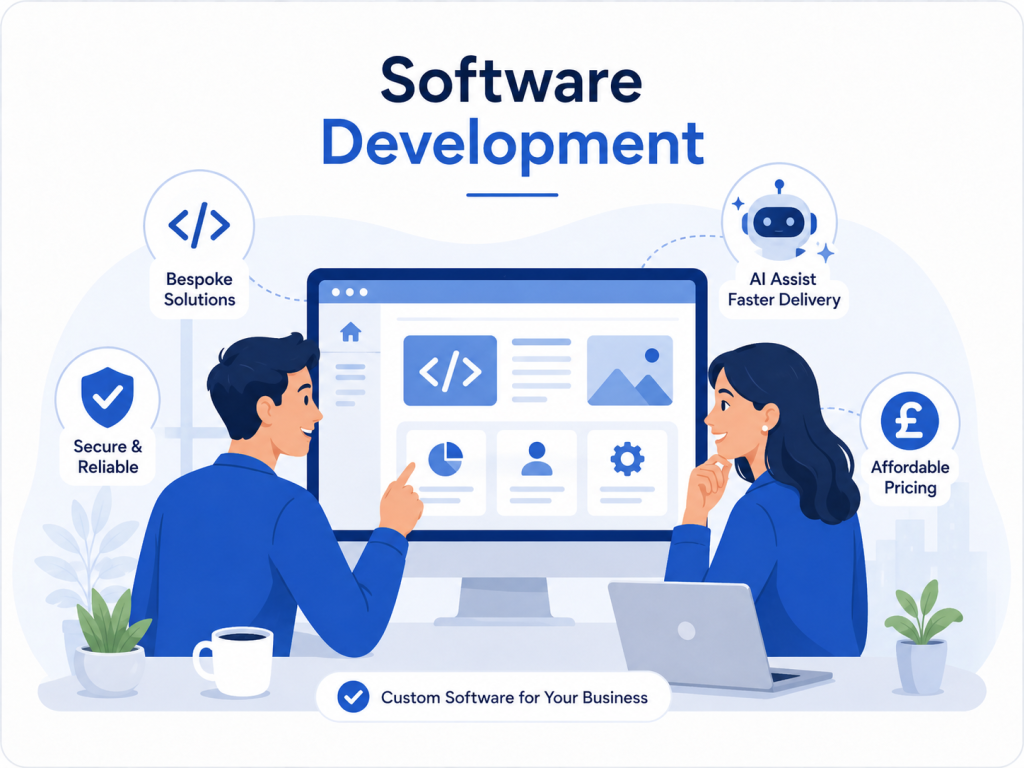
If you have a specific problem, or want to gain an advantage over your competitors, then often bespoke software, developed for you specific requirements can be the right solution. The days of massive costs have gone – thanks to AI aided software development. Bespoke systems can now be developed remarkably quickly and cheaply.
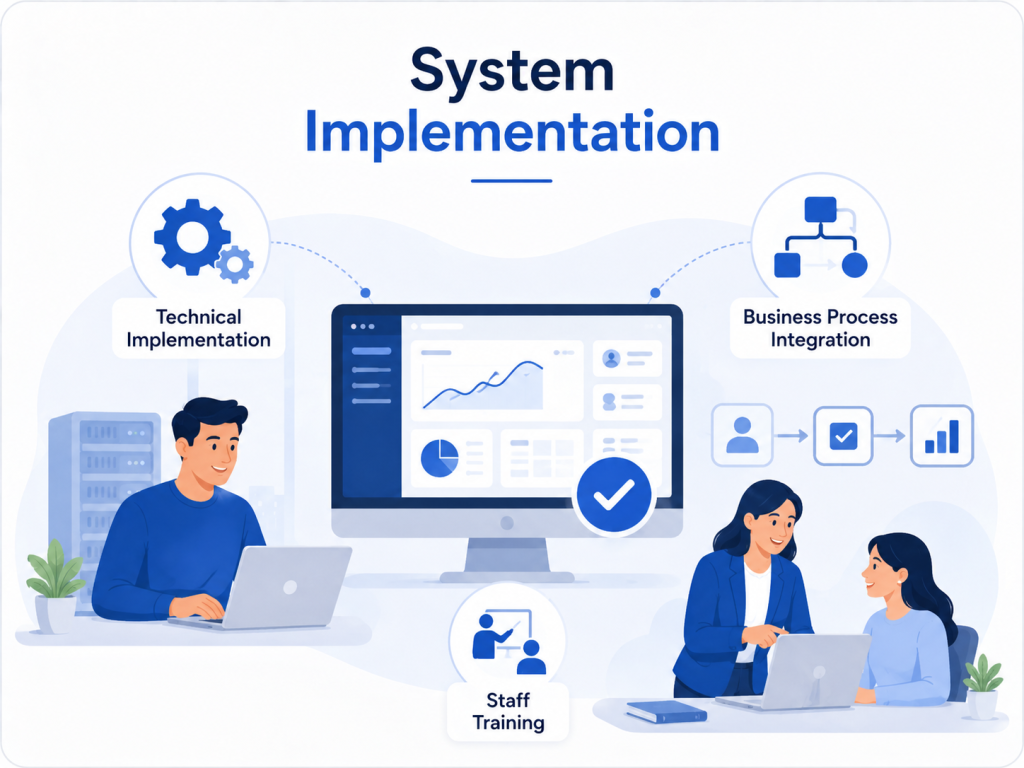
Having a new system is all very well. However implementing and integrating into your company is important to maximise it benefits. There are three key elements: technical implementation; business process integration; and staff training.