This was a simple, low-cost solution.
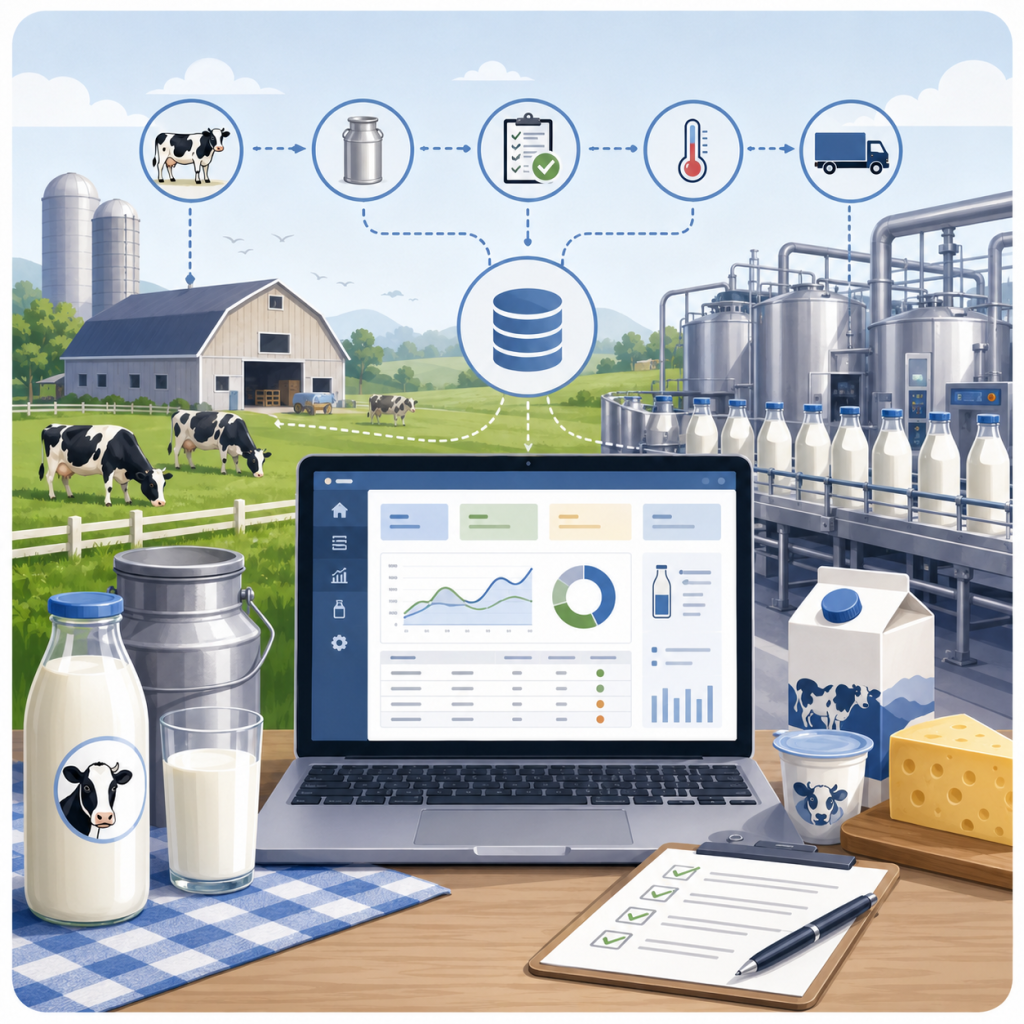
Our farmer client sold a variety of grains to whole food shops. He bagged the product into small bags, so the shops could easily retail the food themselves without the hassle of bagging and labelling the food.
We speedily produced a very simple system to print the labels for the farmer, taking account of dates, weights, description of the food, and pricing.

This Shropshire company needed a database to track it’s product range.
They required a simple database which we produced speedily and cheaply.
This was a large catering company who as part of its activities provided food for parties and other events.
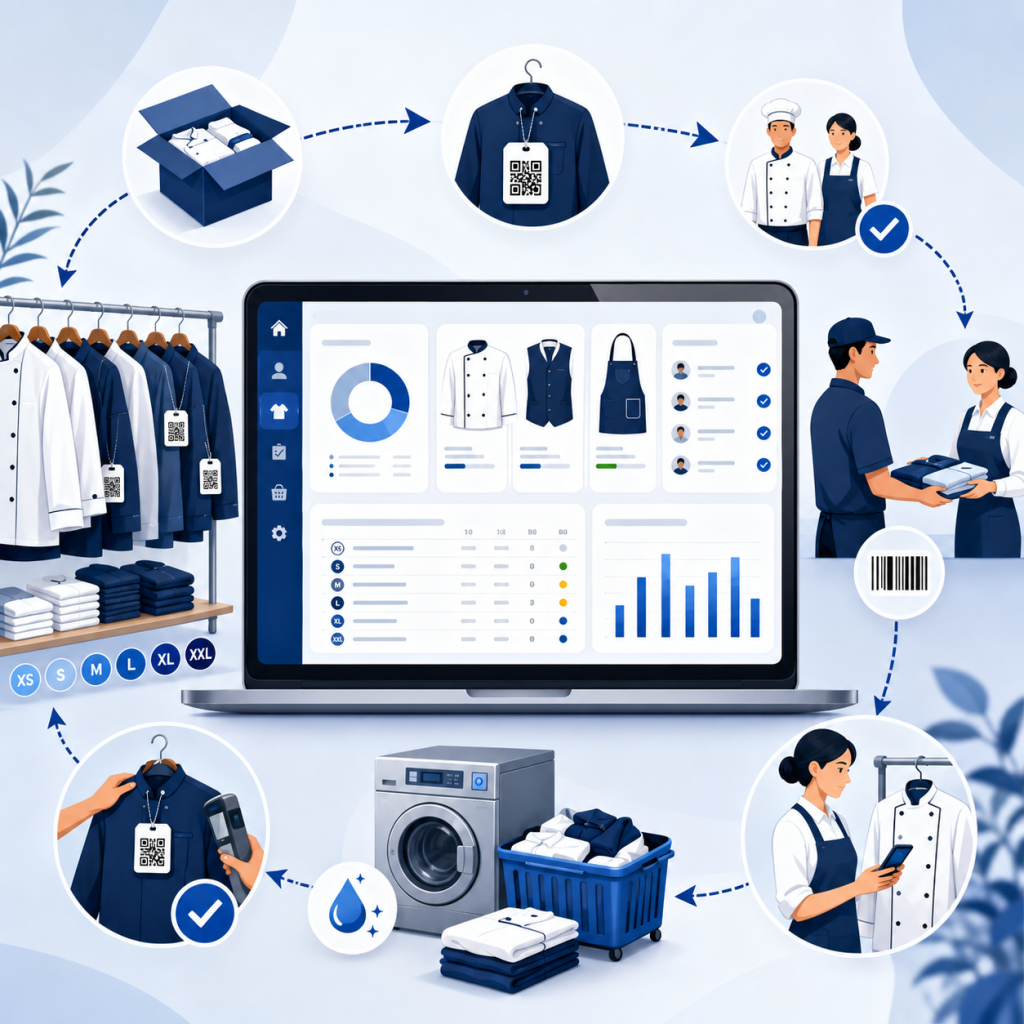
They would also hire out uniforms for the serving staff to wear. Often the uniforms were hired out to third-party companies.
Tracking the uniforms was problematic, and was leading to unaccounted for losses.
We provided a system to track hires, uniforms in and uniforms out. Our system substantially reduced losses and paid for itself in 4 months.
This was a local north west company, producing a variety of cakes.
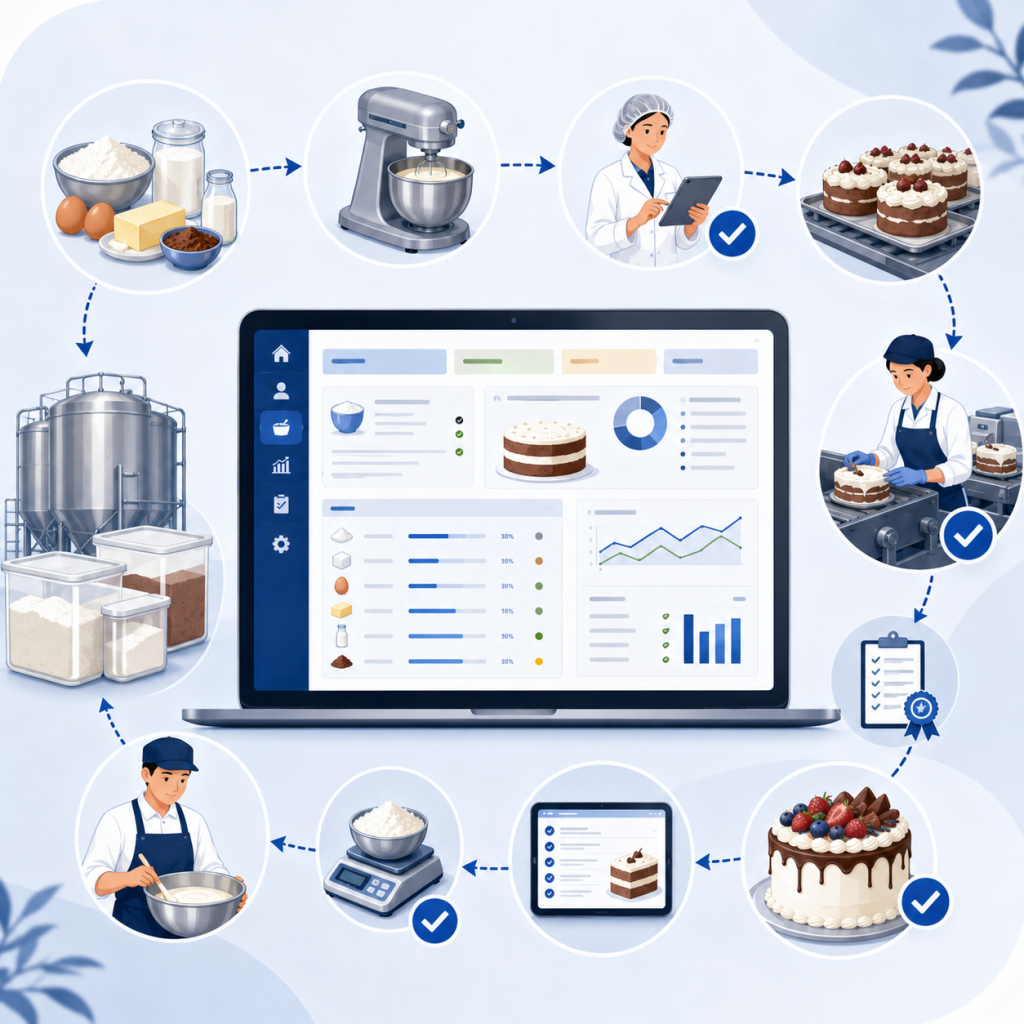
They need to track the ingredient mix for each of their products, plus the ingredients cost.
Our system enabled this to do this, and to measure the changes in total costs when the cost of the ingredients changed.
This was specialist software – the details of which are confidential
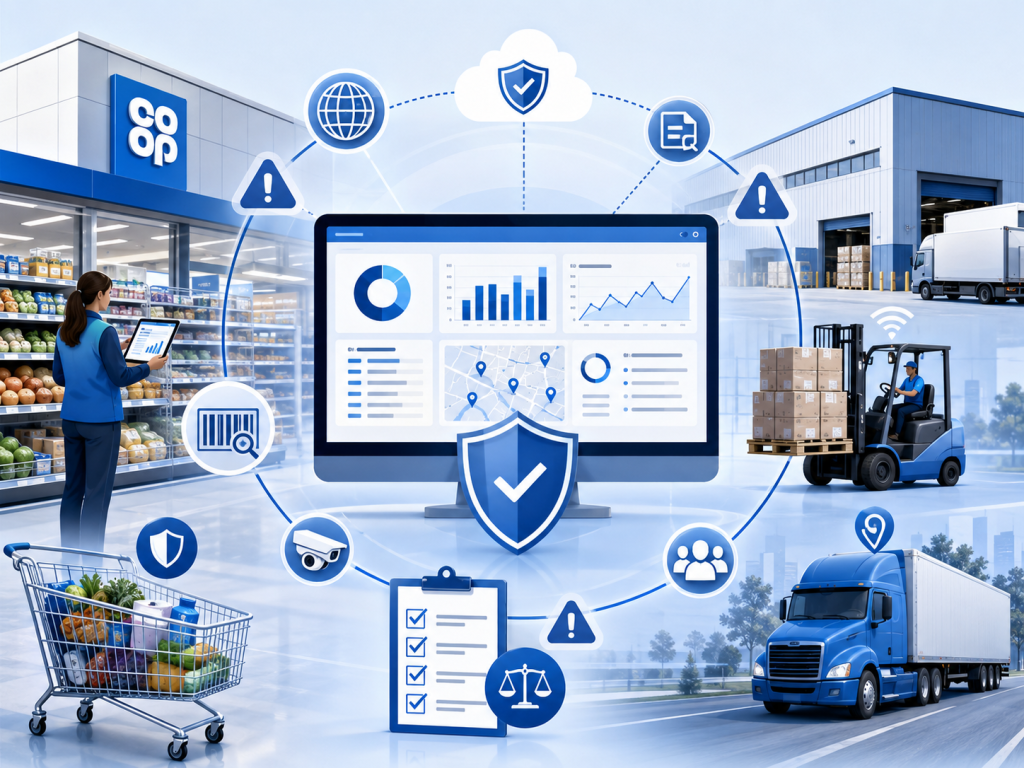
The co-op is a very large retailer. They needed to manage their risks. These were primarily the risks from store operations, such as in-store accidents.
The software requirement was sophisticated, covering multiple store, a variety of inputs, careful analysis. We led a team of 5, using tools such as SharePoint and add-ons such as K2.
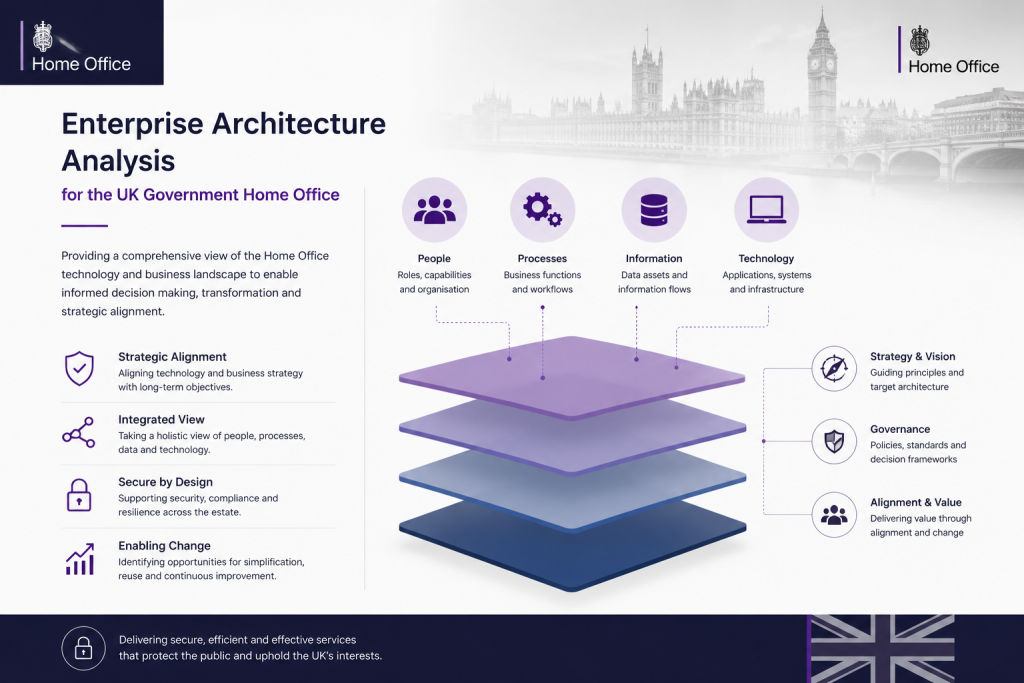
The Home Office is necessarily a complex organistion, using a large variety of specialist software.
They needed to keep track of this software and in particular ensure that they had the correct number and type of licenses for each item of software. They also need to ensure data integration, and avoid overlap in software usage.
We created an ‘Enterprise Architecture’ – basically an overall view of the entire software estate. This substantially enhanced the management of the software estate, improving efficiency and reducing costs.
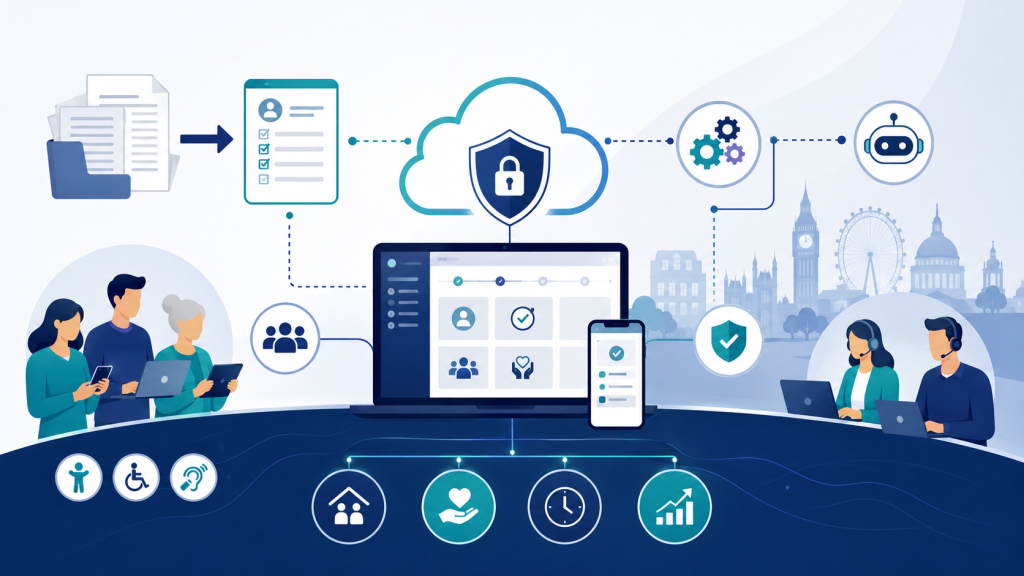
At the time, many of the systems were using COBOL and green screens to manage the department’s benefits.
We led the team that updated these systems.
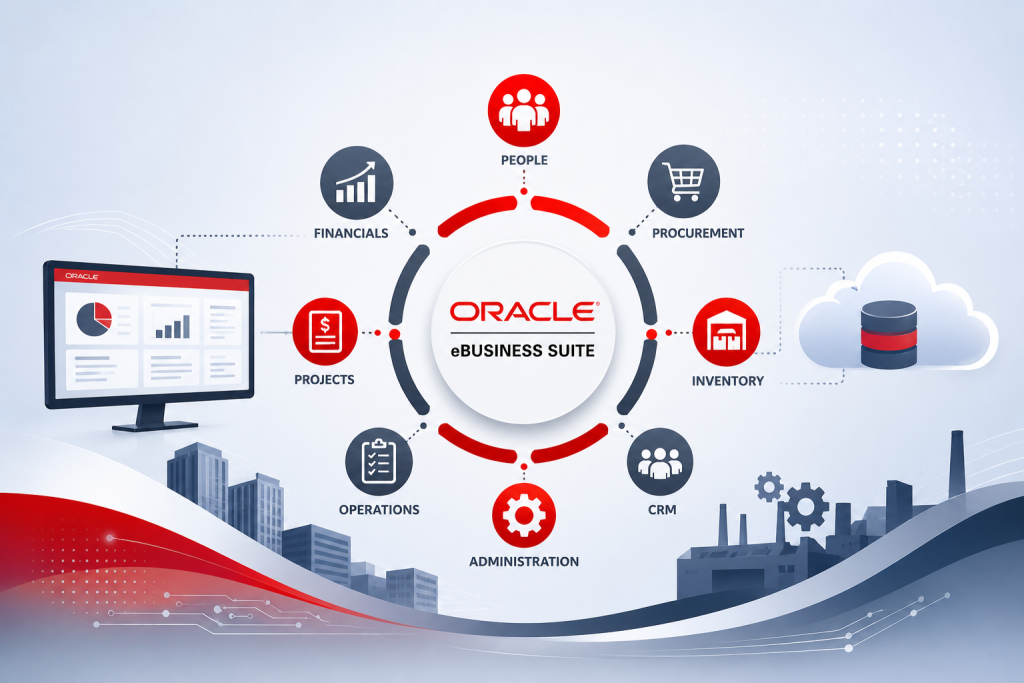
The Oracle eBusiness Suite is an Enterprise Resource Planning system that contains multiple modules that help run all aspects of an organisation.
We led the team that implemented this across the DWP, other than the HR aspects.
The DWP had about 120,000 staff – making this implementation the 2nd or 3rd largest eBusiness Suite in the world.
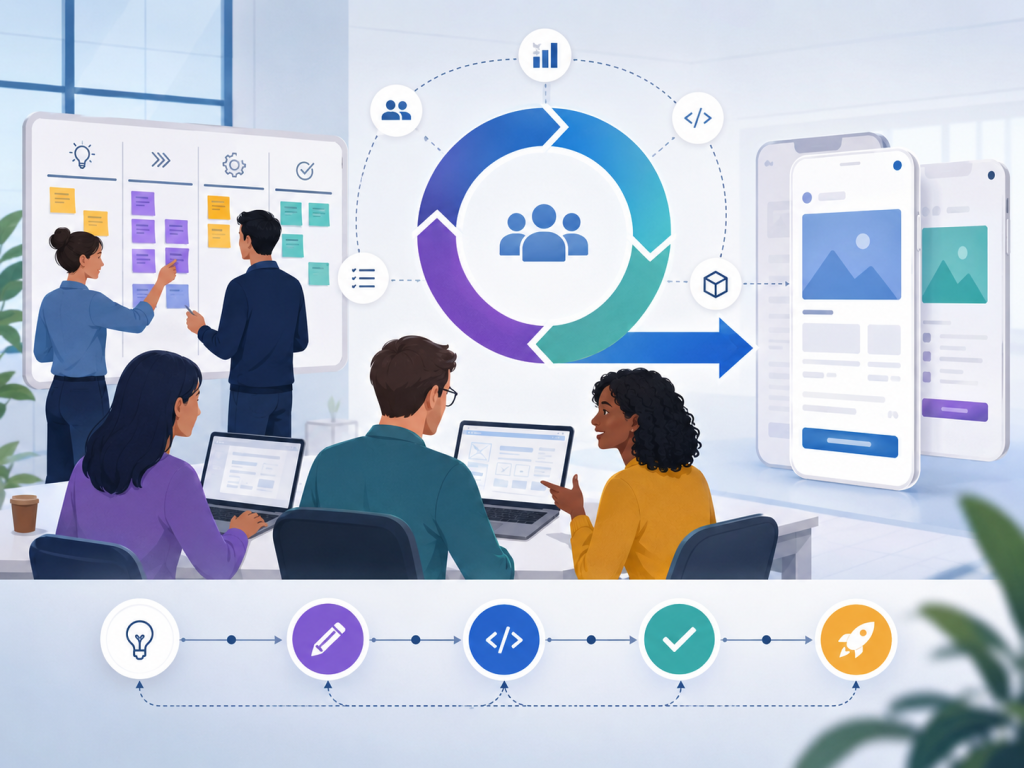
The implementation of Universal Credit (a UK benefits system) was a major development for the DWP. They decided that it was critical to minimise risk, it was to be rolled out in stages, using Agile Software Development methods. This enabled any necessary changes to be made as they were identified.
We provided advisory and consultancy support to this process.
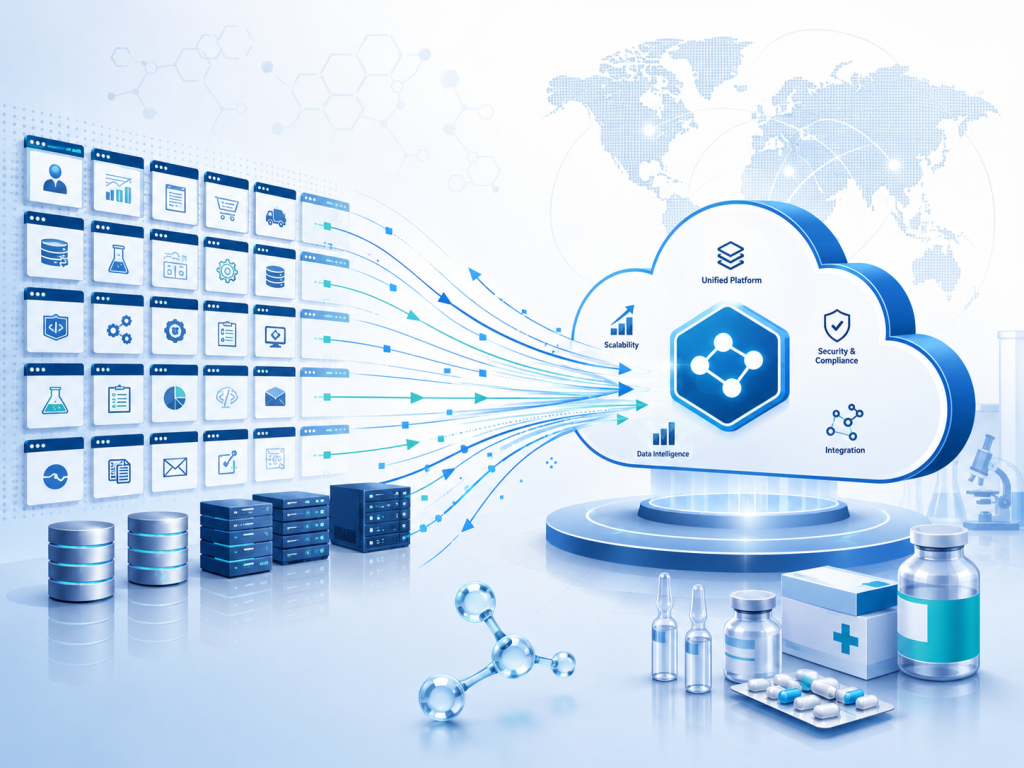
This major, international company had about 600 separate applications in its complex research and manufacturing sections.
It was decided to change hardware suppliers from IBM to an alternative supplier. This entailed moving (migrating) all the software to this new hardware supplier. We were responsible for leading the migration of about 400 of these applications.
A successful migration was absolutely critical to the continued operation of the company without interruption. After over a year of planning the actual migration was successfully carried out in one weekend; with no significant interruption to operations.
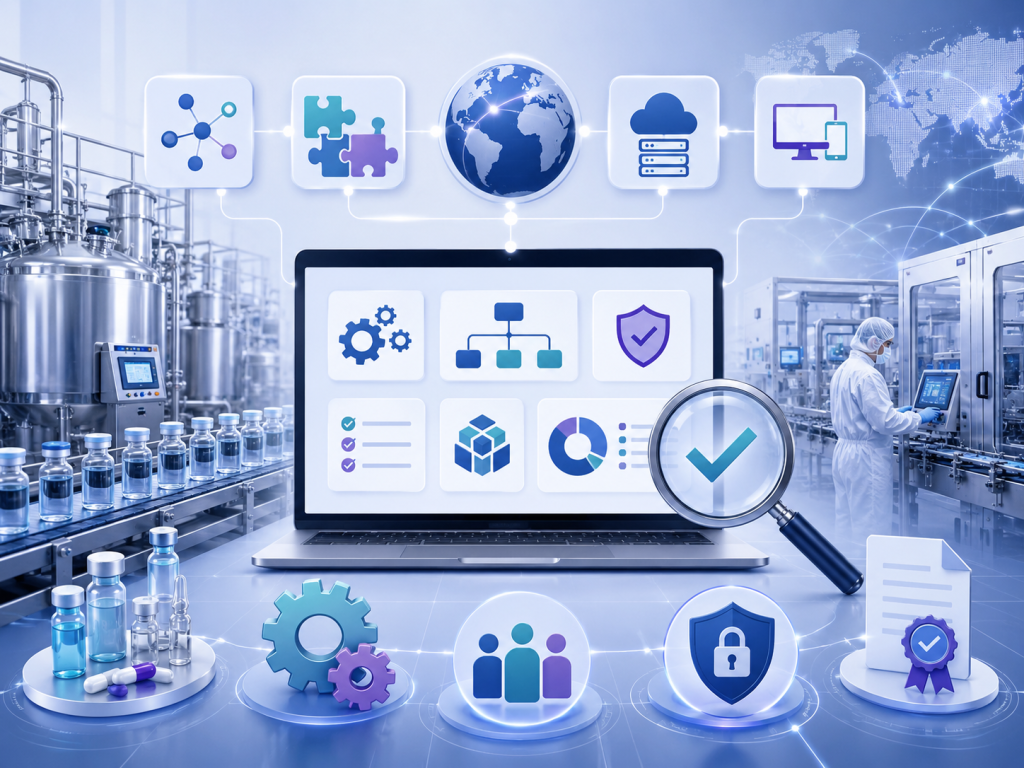
The manufacturing arm of this company required its factory to operate under strict environmental and other conditions.
They need to carry out an analysis of all the supporting software they were using. We developed a ‘heat map’ identify any software that needed updating, change or was obsolete.
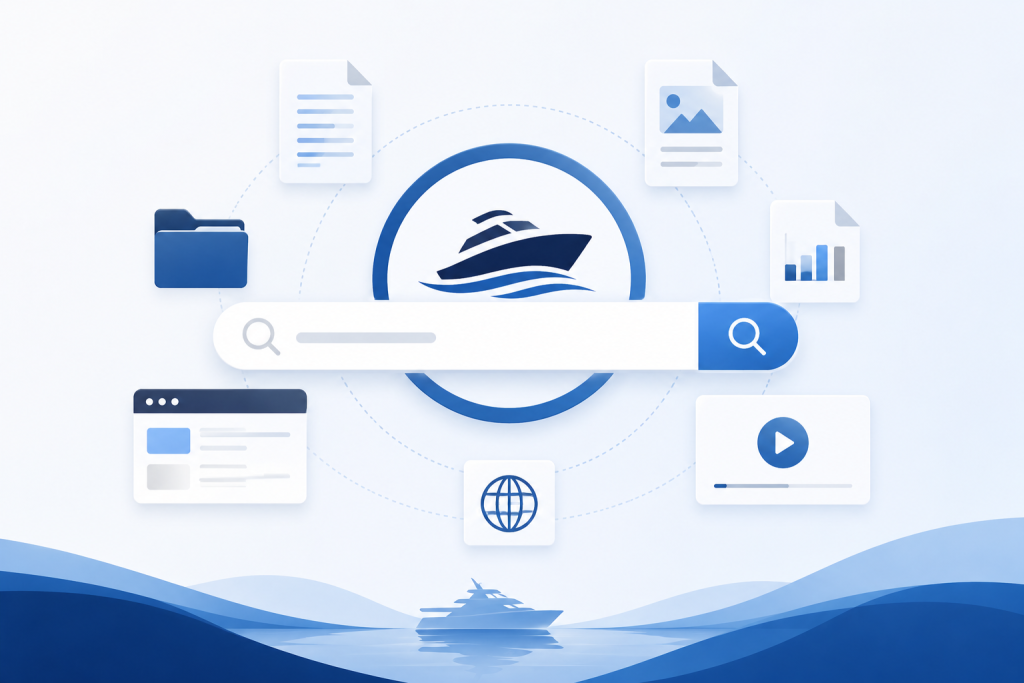
This was an internal project developed for our sister company – Go Earth Boating
The software allows us to carry out an analysis of the clients boating requirements so that we can suggest the best, most suitable boats on the market.
It also searches the market for boats that meet these rquirements.
Typically it saves our clients around 20% of their budget, reduces the risk of an unsuitable purchase, saves their (and our)time and reduces the hassle that can be associated with buying a boat.